 Boxer
11 Boxer training topics
Every common Boxer challenge, with first steps and guides to read.
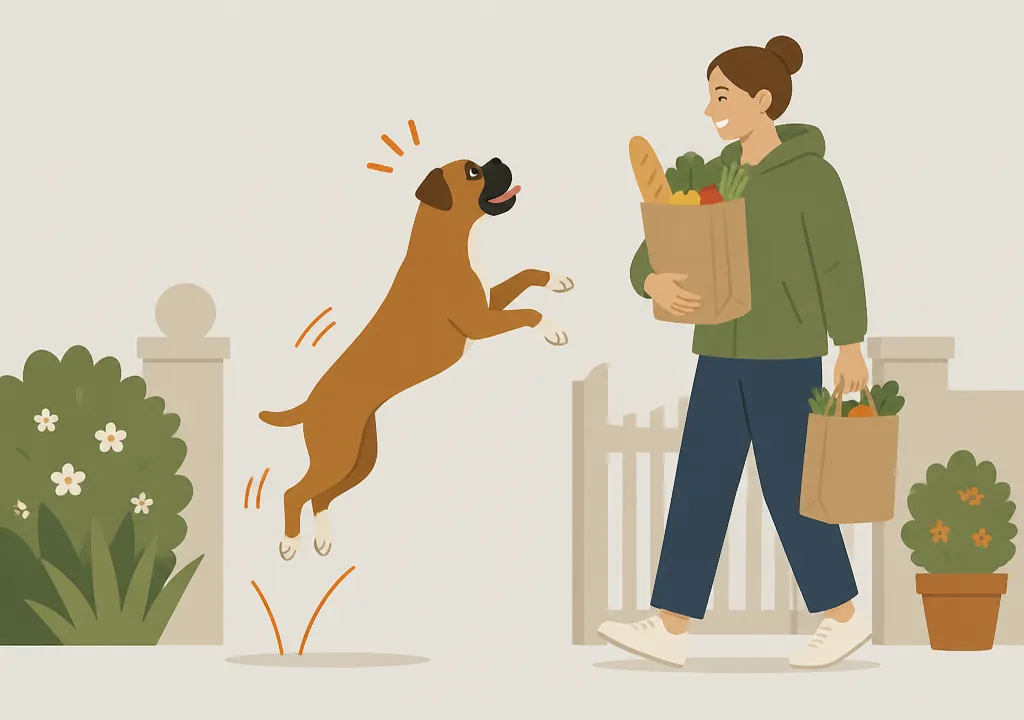
Jumping and the Boxer bounce
Four paws down before the cuddle.
Push a Boxer down mid-launch and they collect hands, voice and eye contact, which was the entire point. Stop paying for the bounce and pay generously whenever all four paws are on the ground.
The full guide covers the bounce, paw swats, doorway routine and two-week plan.
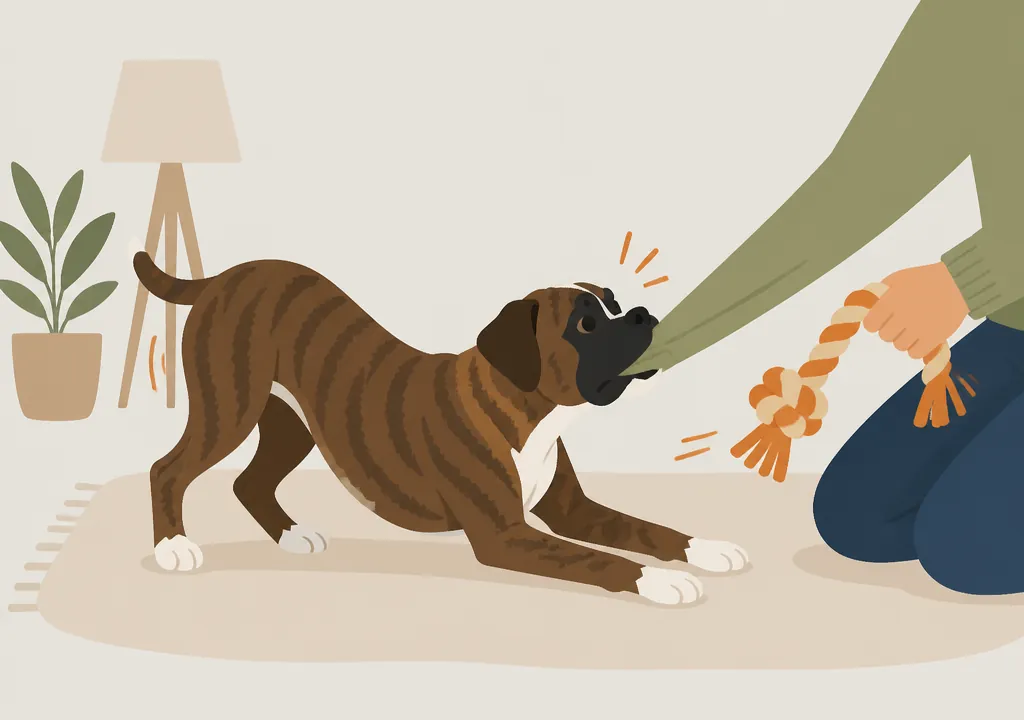
Mouthy play
Gentle mouths during rough play.
Boxer puppies play with their teeth the way you use your hands, and their excitement outruns self-control. The grabbed sleeve that makes the family laugh is a habit being rehearsed.
The full guide covers preventing rehearsed bites, rewarding gentle contact and calm endings.
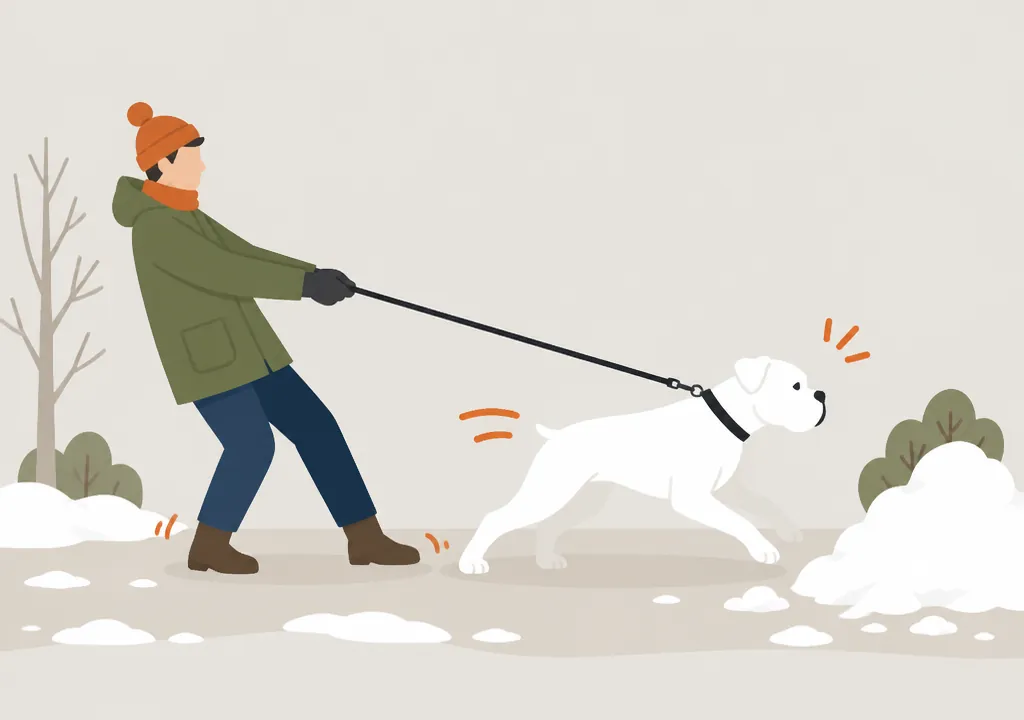
Pulling on walks
A loose leash for a bouncy dog.
One squirrel turns a square-built, energetic Boxer into a full-body tow. Steady tension, quick surges and frustrated lunging have different triggers and different fixes.
The full guide maps what you see to the next useful action, in real places.
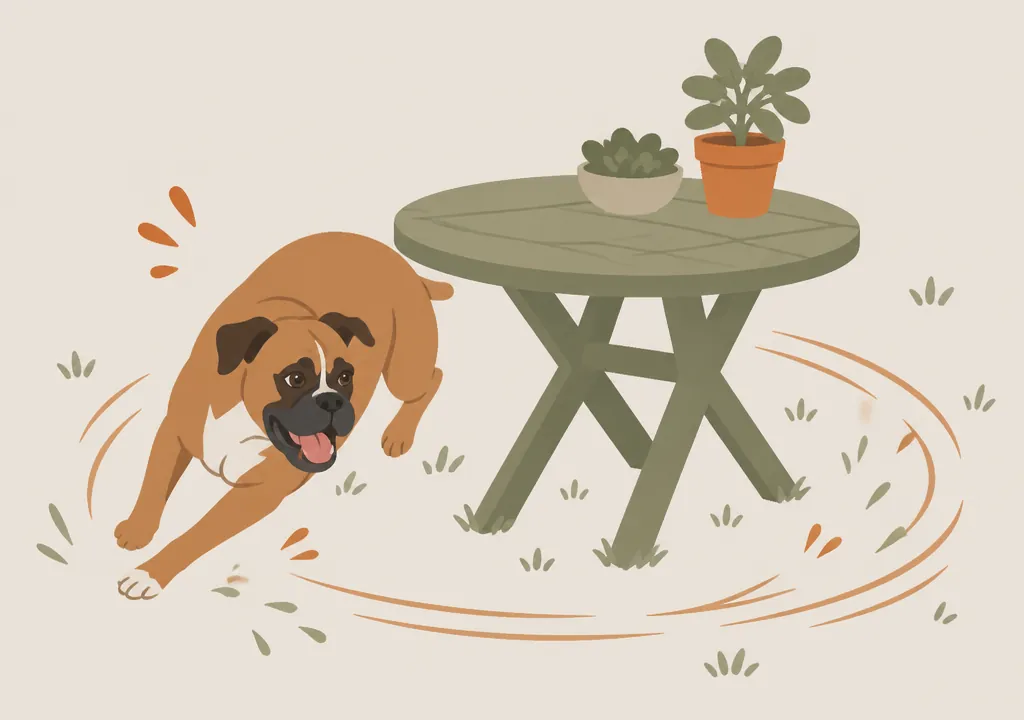
Zoomies and overexcitement
Calm after big bursts of fun.
A longer walk does not cure Boxer zoomies, because the bursts come from how this breed is built and wired. A fast dog who ignores your voice is one open gate away from danger.
The full guide covers making room for zoomies safely and turning each burst into a recall game.
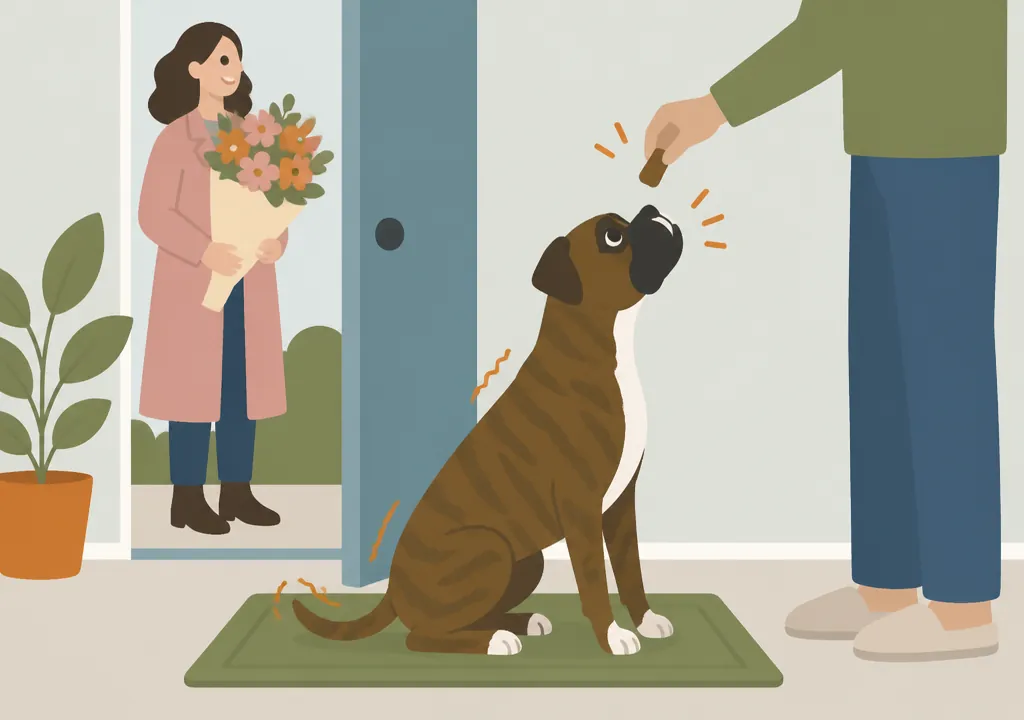
Greeting guests
A sit at the door instead of a leap.
Reward four paws on the floor and withdraw attention the instant paws come up. Boxers descend from dogs bred to hold big game, so a leap at your chest is nearly a native greeting.
The full guide covers three stages, the front-door problem and a two-week schedule.
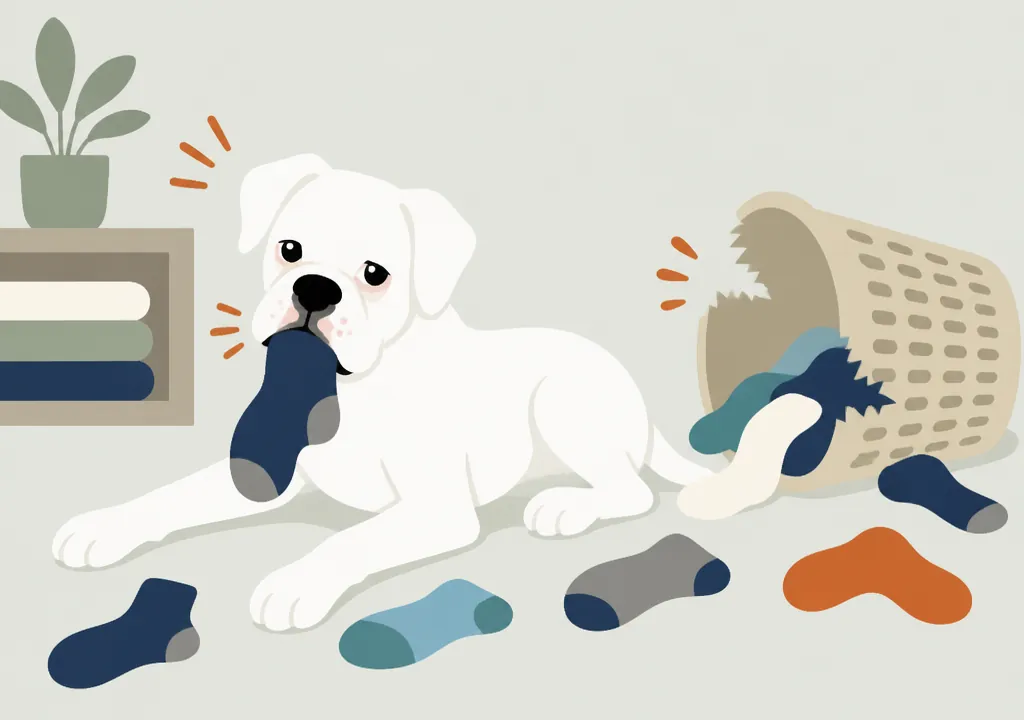
Destructive chewing
Chews that keep busy jaws happy.
Remove access to the wrong items and reward every moment your Boxer chews the right ones. A strong, affectionate dog with spare energy picks the cushion that smells like the family.
The full guide covers management that ends damage this week and skills that last.
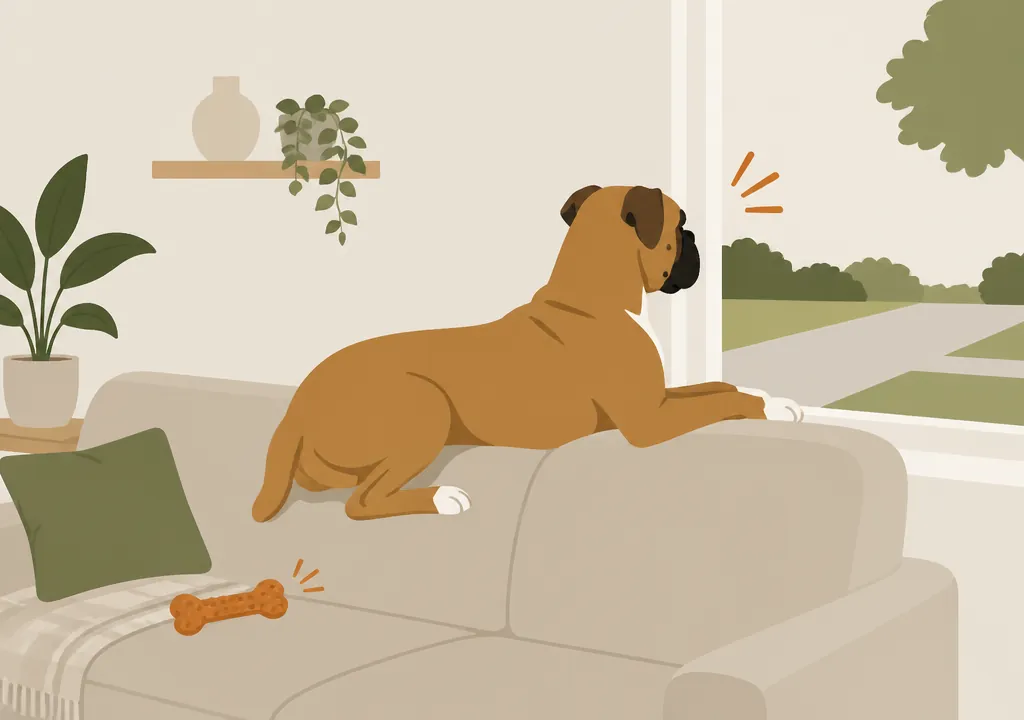
Time alone
Calm alone time for a family dog.
Distance from the family feels like a major event to a loyal Boxer. Make the crate a comfortable rest place first, and teach alone time separately.
The full guide covers crate placement, voluntary entry, the door and extending absences without outrunning the dog.
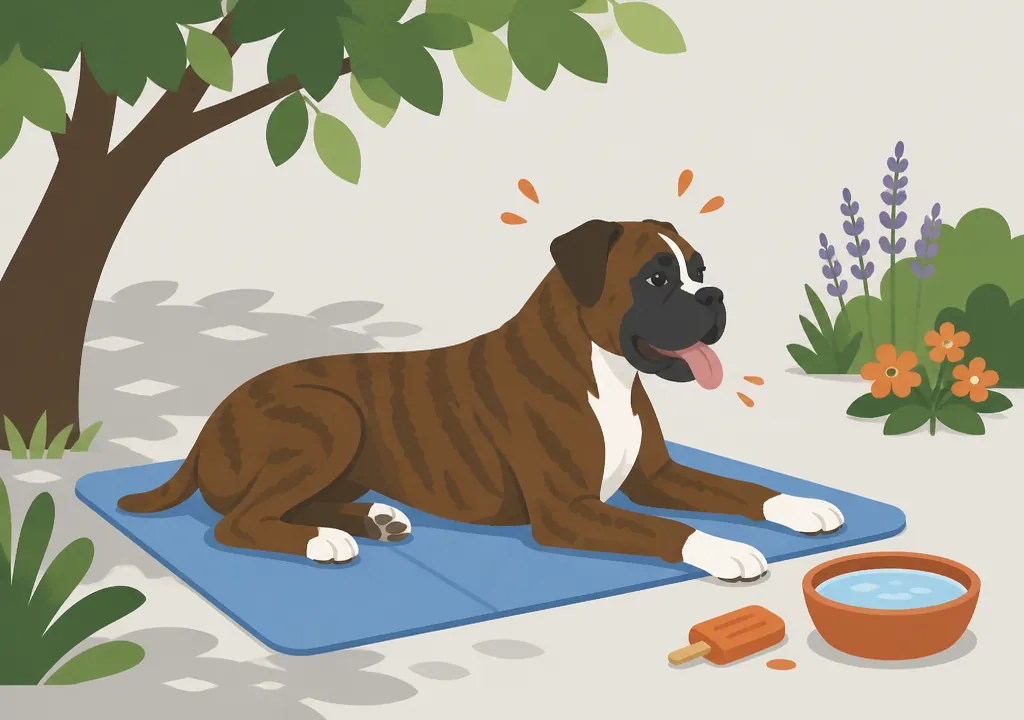
Play in hot weather
Safe exercise for a short-nosed breed.
Boxers keep playing past the point where their body copes, so stopping has to come from you. Heat trouble in a short-nosed breed sneaks up during play that looks like pure joy.
The full guide covers best hours, safe spots, water, recovery and a rest cue.
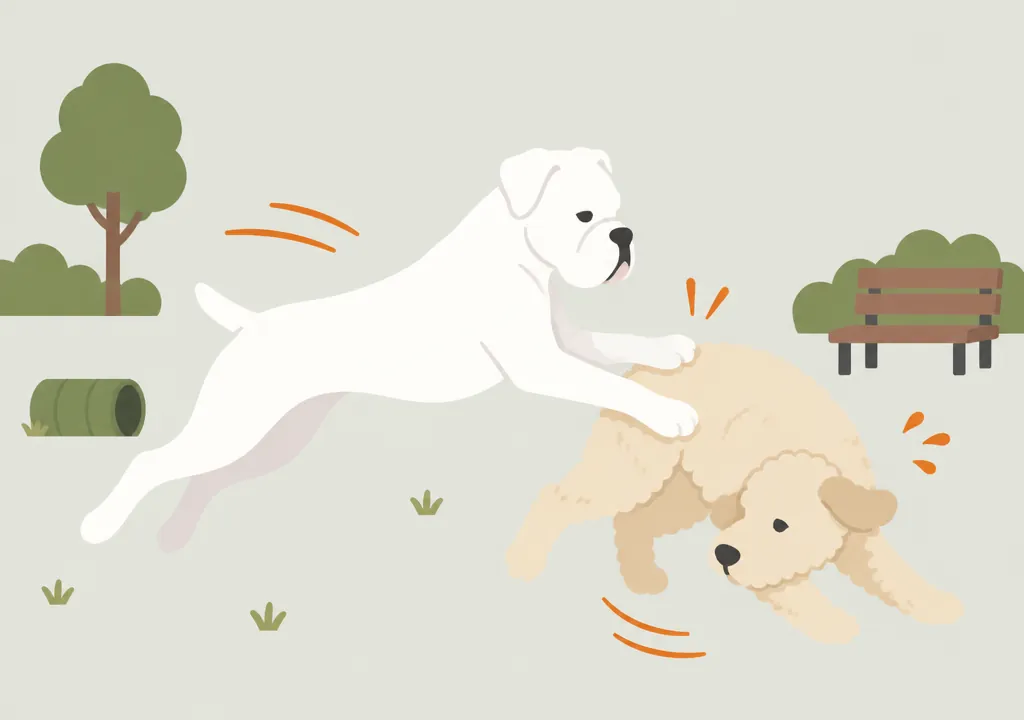
Rough play with dogs
Polite play with other dogs.
Socializing a Boxer starts the day the puppy comes home, and waiting for them to settle rarely helps. A powerful, bouncy dog must learn gentle play with kids while the lessons are cheap.
The full guide covers gentle play, why dog parks disappoint and practicing with strangers.
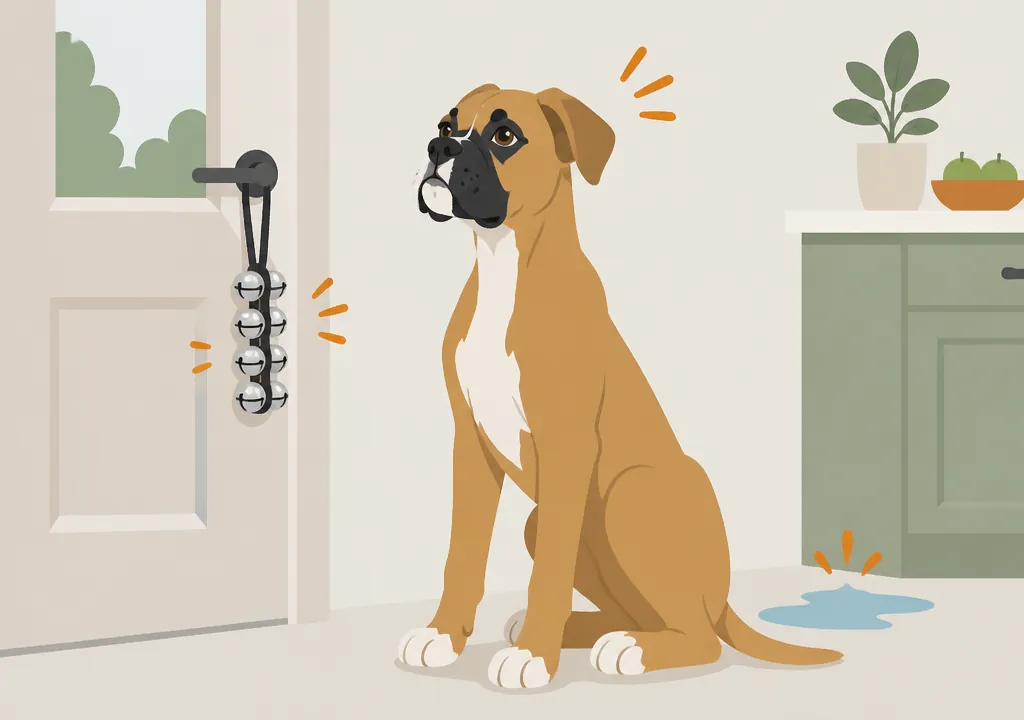
The long puppyhood
Patience while your Boxer grows up.
The bouncing adolescent body outlasts the brain in a Boxer, so the finish line sits later than owners expect. That is two years of rehearsing jumping and mouthing.
The full guide is the timeline from 8 weeks to 2 years.
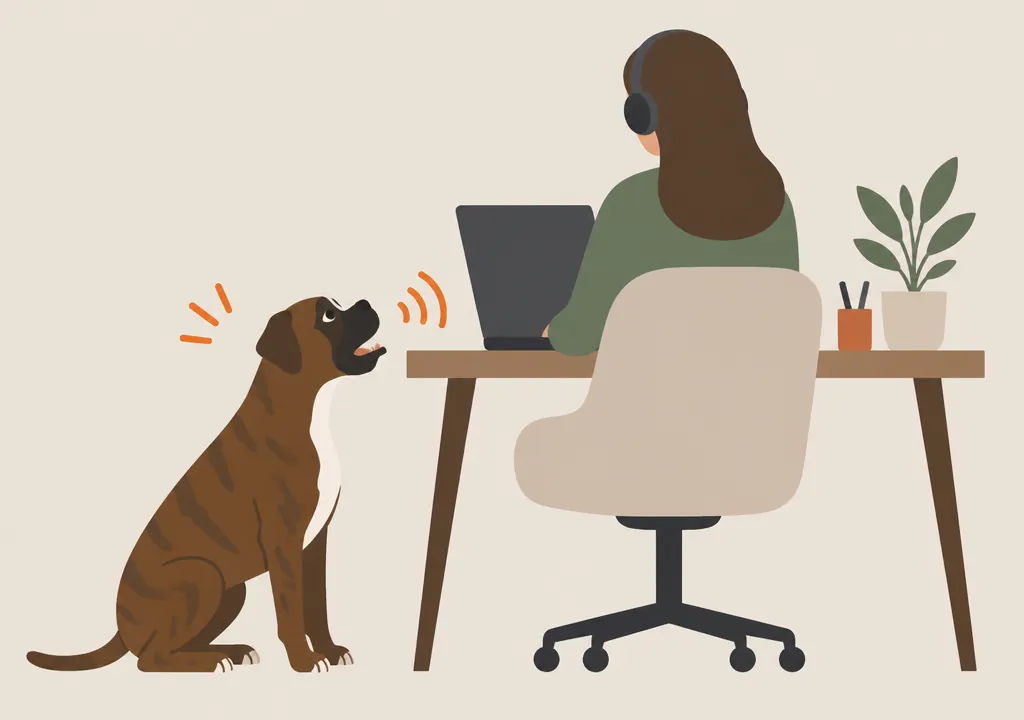
Barking for attention
Quiet waiting earns the reward.
Boxers learn a new cue in minutes, then wander off or invent a better game. A quick mind without work finds its own, barking and chewing.
The full guide covers short sessions, rotating rewards and a Boxer who tunes out.