 Boxer
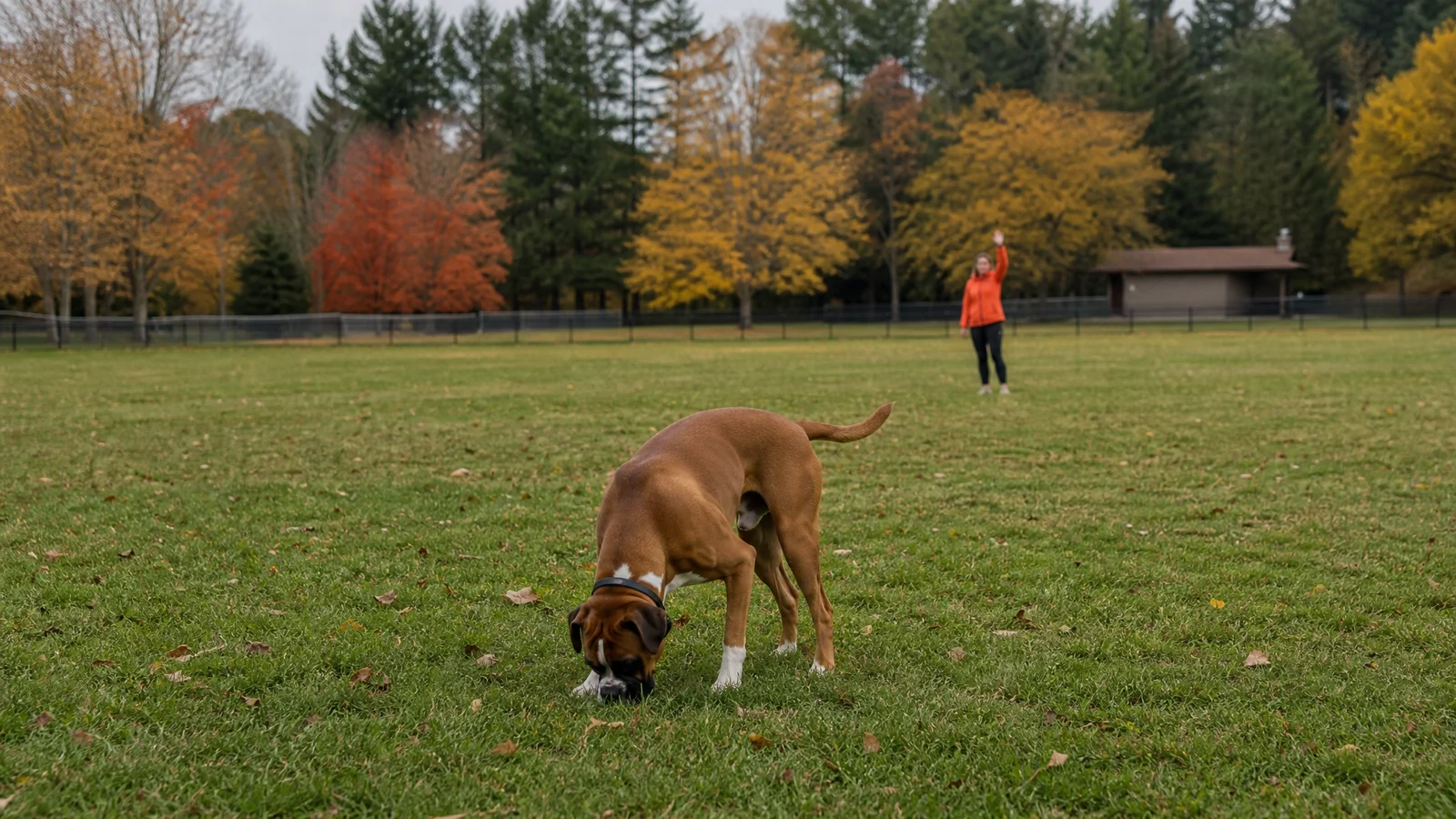
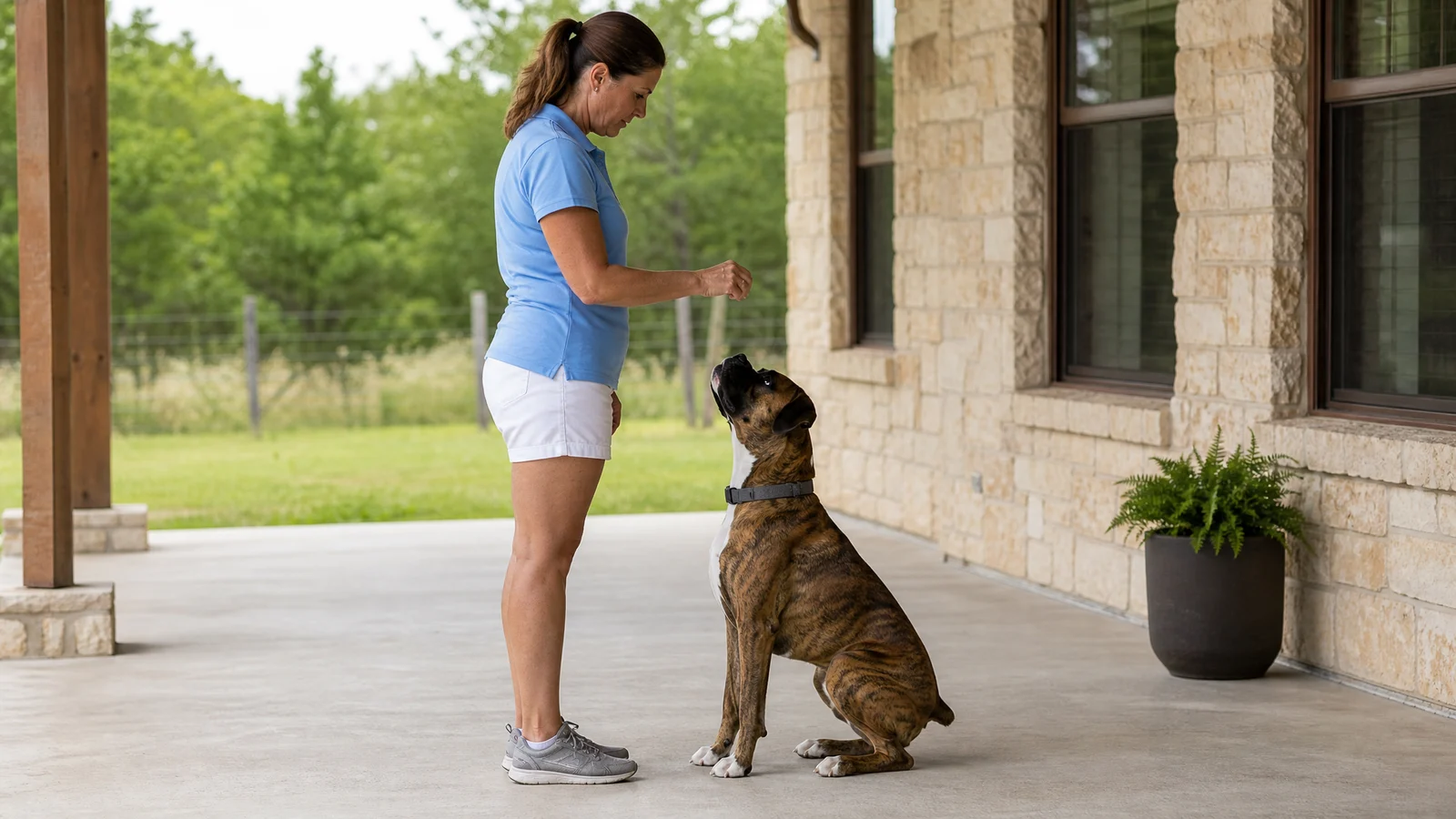
Keeping the cooperation you built in the puppy months is the real goal at six to twelve months, and it gets harder as a bigger, bolder and more distractible Boxer starts testing it. That is normal adolescence, not a sign that earlier training failed, and a bright Boxer who gets bored with repetition will test it in creative ways.
Read on for what is changing in your dog, what to adjust when a cue stops working, and the practical questions that come up along the way. The short version is to ask for less at a time, pay better than the distractions do, and give freedom back only as fast as the cues hold up.
Why Your Adolescent Boxer Seems to Forget Everything
A dog who ignores a cue they have known for months is not forgetting it. The real reason is easier to work with once you know it, and it starts with what is going on inside a teenage brain.
According to Cornell's veterinary college, most puppies reach adolescence around 6 months, though it can start later, and it generally ends around 18 months but can run to 2 years depending on the breed or dog. Meanwhile the prefrontal cortex, which handles self-control, problem solving and social interactions, is still developing, so adolescents are often more impulsive.
So what looks like selective hearing is a dog whose self-control has not caught up with their legs. They still know the cue. What they lack is the brake that lets them choose it over everything else out in the world, which is why your job is to make the right choice easier, not to raise your voice. Where these months fall in the bigger picture is laid out in our Boxer puppy training timeline.
Running Familiar Cues for a Boxer Who Knows Them All
A weak brake is only half the picture, because the dog applying it is also a Boxer. Boxers are highly intelligent problem solvers with a mind of their own, and they can get bored with repetition. By six months many know the basics so well that running them in the same order feels like a chore, and a bright dog with a developing brain will make their own entertainment out of it.
What that changes is how you run the cues your Boxer already knows. Our trainers treat a familiar cue as raw material for variety rather than a drill to repeat until it holds, and three choices do most of the work.
- Shuffle the order and the place. Ask for a down before a sit, in the hallway one day and the driveway the next. A problem solver who cannot predict the next ask has to pay attention to find out.
- Let the payment surprise them. Rotate food, a quick game and a favorite toy so the reward stays worth working for, and so your Boxer cannot guess what is coming.
- Raise the bar by one detail. Add a few seconds, a step back or a turn of your body, so the cue arrives as a fresh little challenge instead of a repeat.
The cue itself stays the same while the way you ask keeps changing, and that is often enough to bring a bored Boxer back into the game. Each change should be small, so your dog can still win on the first try.
Keeping Your Boxer's Brain Busy Between Sessions
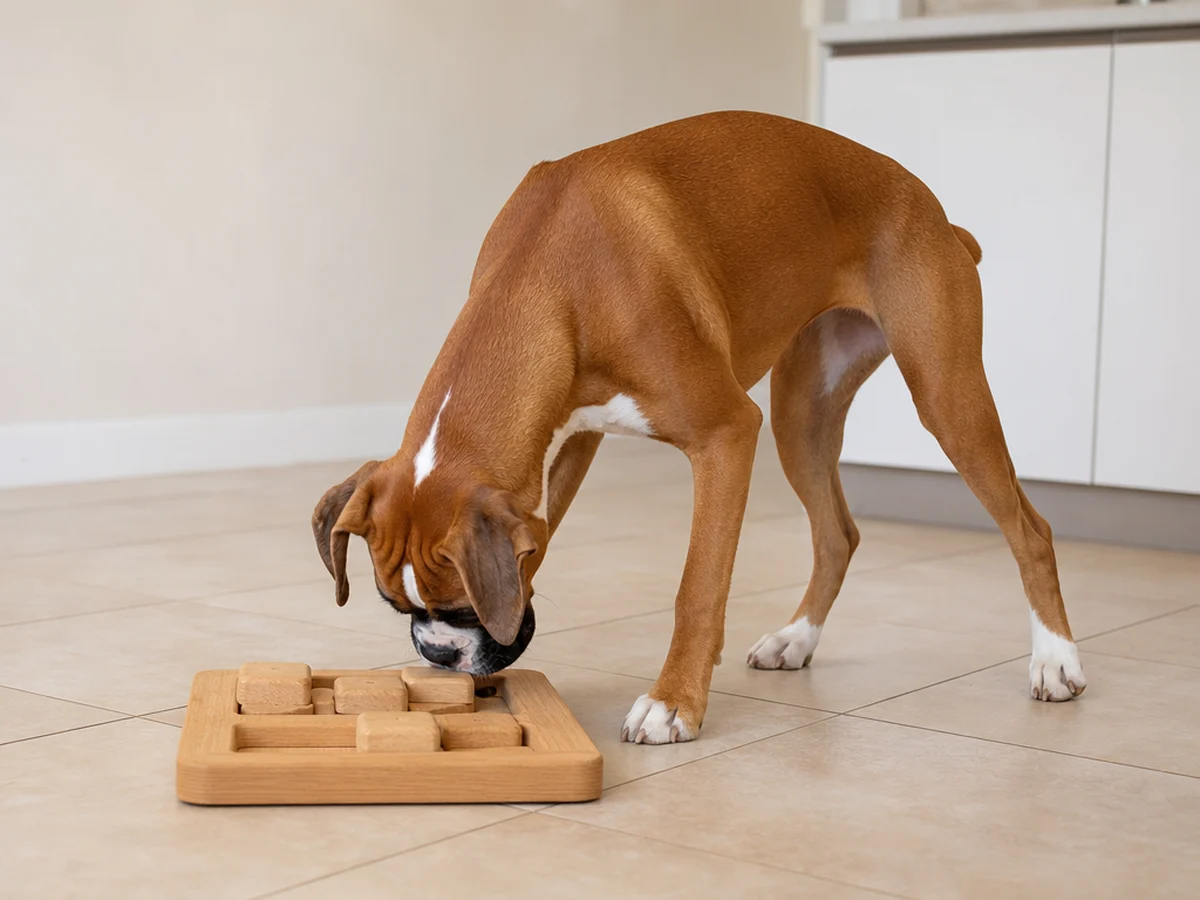
Varied cues give a Boxer something to chew on, but the hours between practice matter just as much. The American Kennel Club lists fetch, walks, games, obedience and trick training, puzzle and food-dispensing toys, and group classes as ways to keep an adolescent dog's mind active.
For a problem solver, puzzle and food-dispensing toys are the easy win on that list, because they hand your dog a job that is theirs to figure out. A Boxer with a task of their own has less reason to invent a project, like your couch cushions, while you are busy.
Keep up regular vet checkups through these growth months, and ask your vet how much running suits a growing Boxer and about anything involving heat or breathing. For ideas that tire the brain more than the legs, our Boxer exercise guide has a full set of brain games.
Handing Freedom Back During Boxer Adolescence
Cues that work in the living room still have to work out in the open, so freedom is the next piece to sort out. It is also where adolescence tends to catch owners out.
A Boxer who comes every time in the backyard is not yet a Boxer who comes every time at the park, and an off-leash dog with more room than their recall has earned is getting practice at ignoring you. Give freedom back in notches: more distance or a new place, never both at once, and only after the cue has held at the current level. Pay generously for every check-in so that coming back to you stays the best part of being out.
If the exuberance shows up as bouncing at visitors, our guide to training a Boxer not to jump covers the method, and Boxer soft-mouth training does the same for rough, mouthy play. Both are worth a second look now that a bigger body is behind the habit.
Adolescent Boxers Meeting Other Dogs
Freedom out in the world also means more dogs, and how a Boxer greets them belongs to the same picture. Boxers can do well with other dogs when greetings are supervised, but some are not always tolerant of dogs of the same sex, and adolescence is a poor time to find that out by surprise.
Keep greetings short, on a leash or long line, and end them while everyone is still relaxed. Pay your teen for a glance at you before and after each one, and leave whenever either dog looks stiff or too wound up, because an easy exit is part of the lesson. The full method for kids, dogs and strangers lives in our guide to socializing a Boxer.
Adolescent Boxer Questions, Answered
Some small puzzles are left over once the bigger adjustments are made, and they are easy to get wrong in ways that quietly undo good work. Four are worth answering here.
How Long Should a Teen Boxer's Practice Last?
Short enough that your Boxer still wants more when you stop, which often means a few minutes at a time, repeated through the day. Ending on a cue they nailed beats pushing for one more round.
Why Do Treats Stop Working Outside?
Outside, your treat is competing with sights, smells and other dogs. In our experience a better reward fixes this more often than a firmer voice, so try a tastier food or a quick game, and start closer to home where the competition is weaker.
Should Known Cues Still Earn Treats?
Yes, especially where they are hard. A cue done easily at home can be paid lightly, but the same cue beside a distraction deserves your best reward, because that is where your Boxer decides whether listening is worth it.
Could Something Physical Cause the Change?
Behavior that is intense, sudden or getting worse, rather than just erratic, deserves a vet visit first, and your vet can point you to a behaviorist if one is needed.
According to the American College of Veterinary Behaviorists, behavioral problems can result from a medical condition among other causes, and a board certified veterinary behaviorist can evaluate whether a medical component is involved, while obedience training does not usually get to the root cause. That is why the vet comes first.
Lending Your Boxer Some Self-Control
A Boxer at this age looks almost grown, which is what makes these months tricky. The body suggests a finished dog while the part of the brain that handles restraint is still catching up, so the honest job in front of you is to lend your dog some of your own self-control for a while.
Lending looks like picking the quieter spot, keeping a leash on in the busy one, and paying for good behavior early, before your Boxer has the chance to try the wrong thing. Then you take the loan back a little at a time, as your dog shows they can carry more of it themselves.
Done that way, the cooperation from the puppy months carries through instead of needing a rebuild. If you would like all of your Boxer's training needs laid out in one clear, comprehensive guide that is easy to follow, our free Boxer training e-book is yours for the asking.
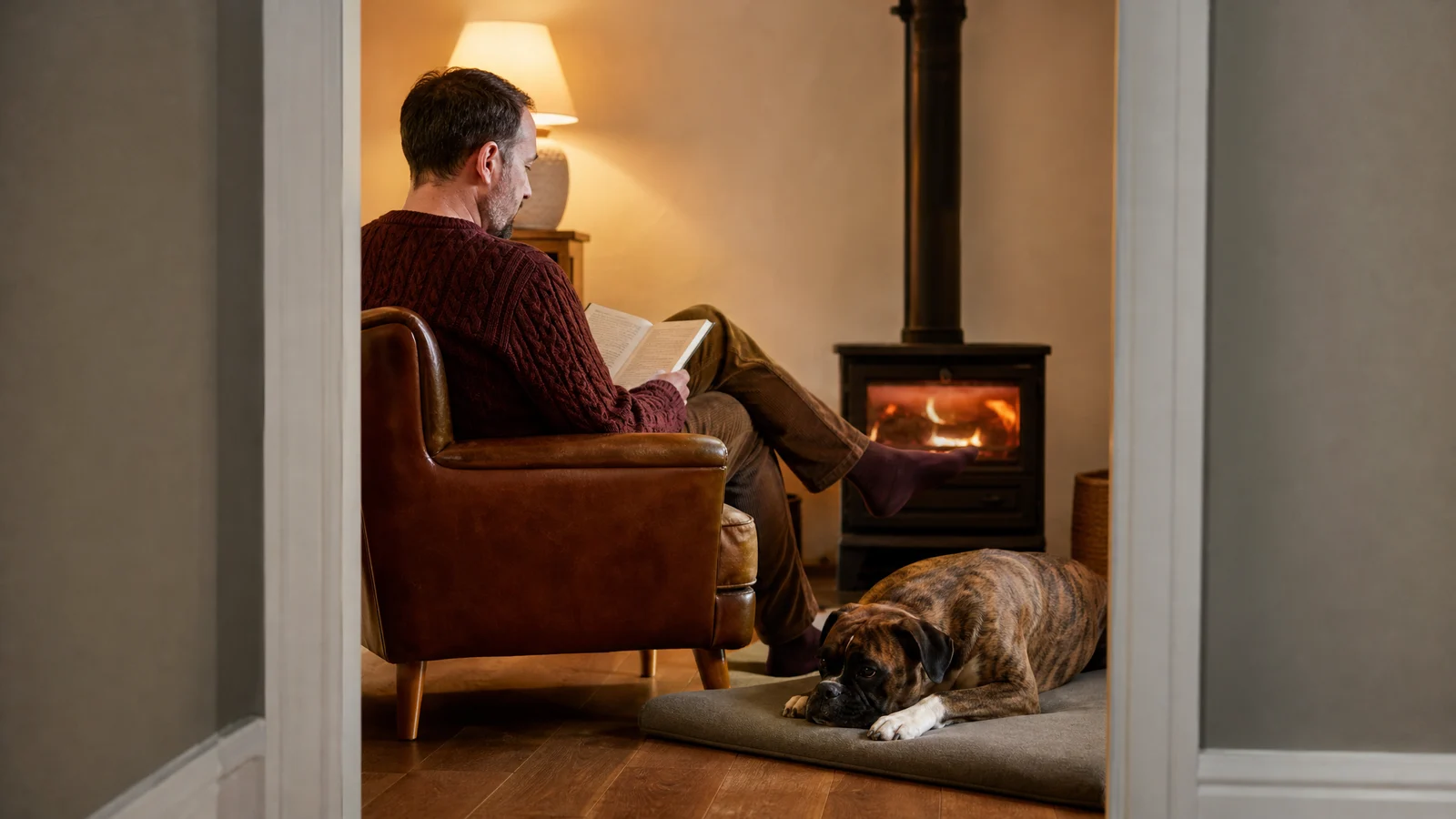 BehaviorBoxer at 1 Year and Up: When Do They Calm Down?
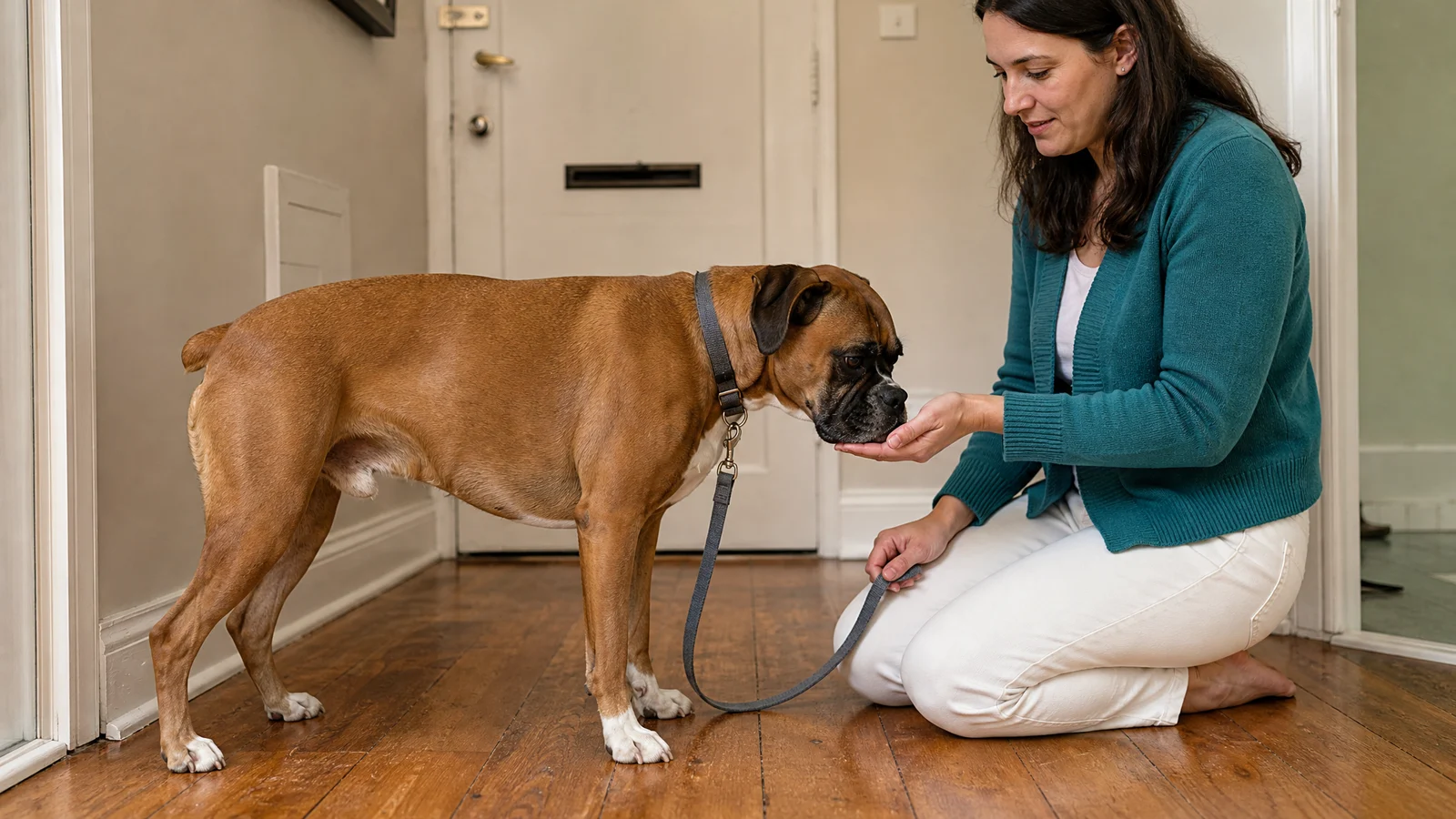 BehaviorTraining an Older or Adopted Boxer
 Training basicsHow to Teach a Boxer to Sit
