 Boxer
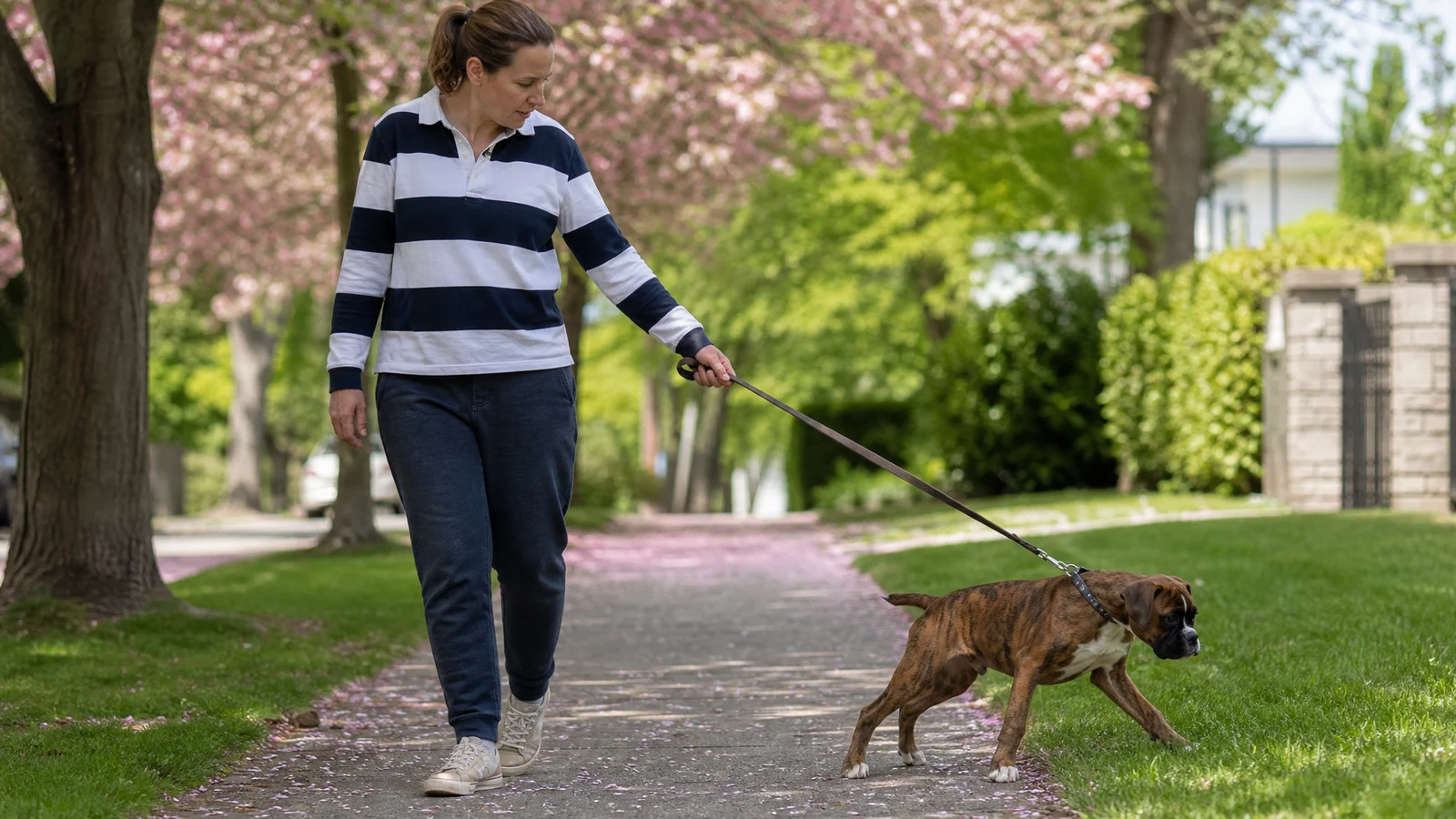
Your Boxer puppy is bigger and bolder than a few weeks ago, and the cues that used to come so easily may now seem optional. A sit that was automatic in the kitchen can turn into a long look at everything else once you step outside, and the leash starts to feel like a handle rather than a line. That can be unsettling when the first weeks went so smoothly.
None of it means the earlier training failed, and this page sorts out what is going on: why listening dips, how chewing and leash pulling change, and how to widen your puppy's world without losing what you have built so far.
Why a Boxer Puppy Seems to Listen Less
The first thing to know is that this dip in attention belongs to the age more than to your puppy. Texas A&M's veterinary school puts the juvenile stage at 3 to 6 months, calls it the most challenging developmental stage, and notes that puppies are very sensitive and receptive to behavior modifications during it, much more than an older puppy or adult dog.
So the practice you keep up now is worth more than it will be later. A Boxer adds a twist of their own: this is a highly intelligent, problem-solving breed that can become bored with repetition and has a mind of their own, so a sit performed the same way every day loses its charm. We see this in Boxers all the time. The cue is not forgotten, it has simply stopped being the most interesting thing available, so give it some variety. Change one of these at a time:
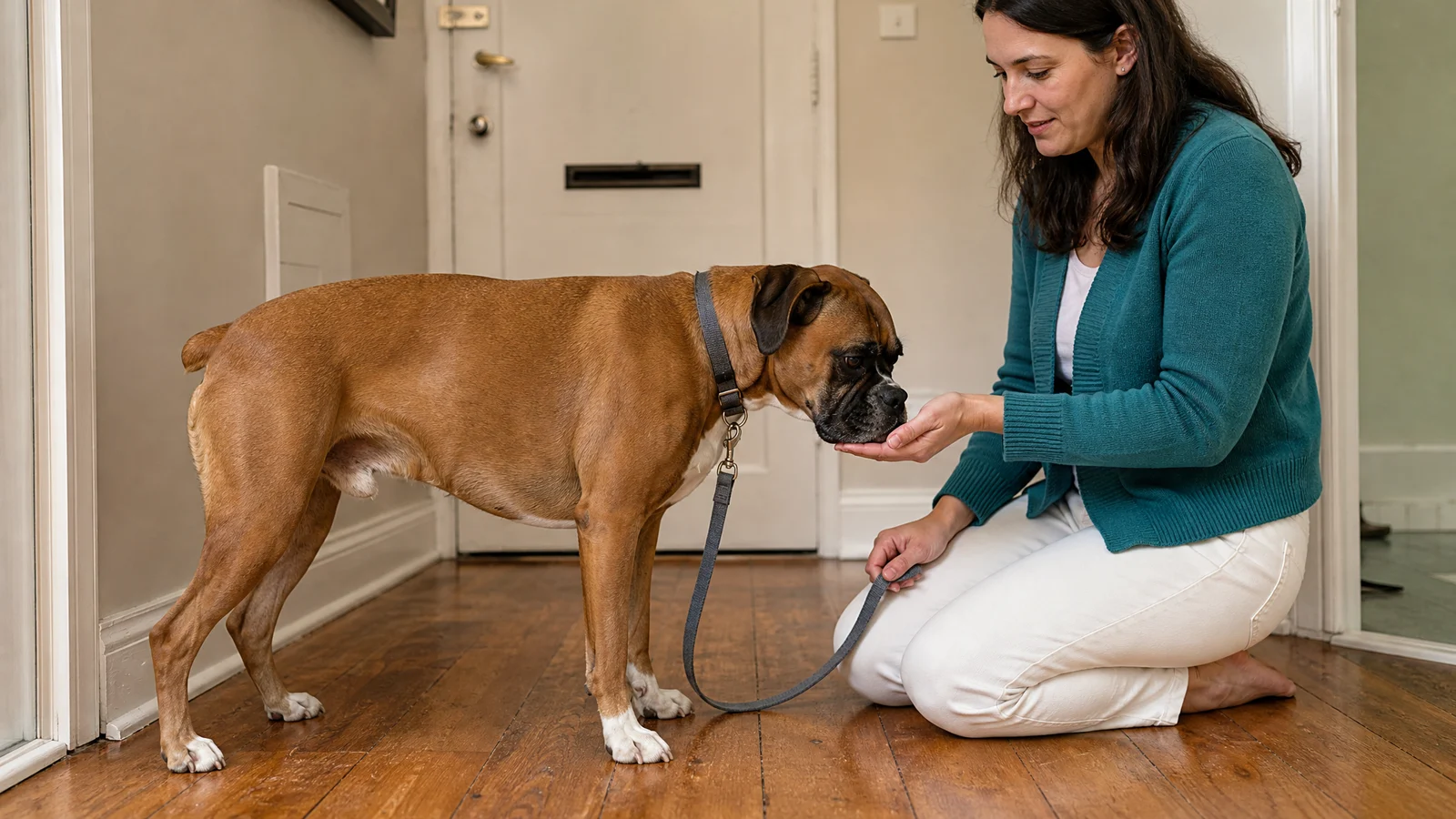
- The Pay: A sit can earn a treat, a short game of tug or a handful of treats scattered in the grass.
- The place. Ask in the hallway, the yard and the driveway, not only where the cue was first learned.
- The order changes too, so follow a sit with a different cue, or with a release into play, instead of the same two moves every time.
Impulse control is still catching up with the body, so short, successful rounds beat long ones, and a puppy who misses a cue outdoors needs an easier version rather than a louder one. Our puppy training timeline shows how these months fit into the bigger picture, and regular vet visits give you a professional to ask when a change in behavior seems bigger than a phase.
Chewing and Leash Pulling Get Stronger
Once the dip makes sense as a stage, two daily trouble spots stand out, the mouth and the leash, and both now come with more muscle behind them. A Boxer is powerful, active and playful, so what was a nuisance at three months can become a real tug-of-war at five. Eyesight also gets better at around 5 months, and with a stronger body your walks can get off track as your puppy pulls toward more things to smell and see.
Dogs often go through two chewing stages, and the second starts around 7 months and can last until 13 to 14 months of age (the Animal Humane Society's terrible-twos guide has the details). That makes this an age to keep good chews in every room, to put tempting things higher than your puppy's new reach, and to supervise or gate off the rest. On the leash, three plain moves do most of the work:
- Better pay means carrying treats your puppy likes more than whatever is on the ground.
- Pay at your side: reward whenever the line goes slack, right where you want your puppy to be.
- Stop when it tightens. Your Boxer learns that pulling is the one thing that never gets them closer to what they want, while a loose line keeps the walk moving.
A few loose steps give you something to pay and build on, which beats waiting for a perfect heel. Our Boxer leash guide has the full method, including what to do when the line goes tight.
New Places and New Dogs for Your Boxer Puppy
Sharper eyes and stronger legs also make a bigger world possible, and these months are when it opens up. That is good news with one caution: it opens just as a puppy's confidence can wobble.
A puppy goes through a period after about 3 months of age where fear responses may outweigh their sociability, which is worth knowing before you widen the world. Once a puppy completes their shot series, socialization can continue with less worry about infectious disease, from safe play dates with other dogs to practicing commands on walks, at the park or at pet-friendly places, all of it laid out in VCA's puppy schedule by age.
Ask your vet when your puppy's series is complete, then widen the circle one new thing at a time. Before any new introduction, run through three checks:
- Distance comes first. Start far enough away that your puppy can notice the other dog or person, take a treat and look back at you. Closer comes later, in small steps.
- Leash and Floor: Keep the leash on and reward four paws on the ground before anyone says hello, because a bouncy greeting that works once will be offered again.
- Exit. Know before you start how you will move away, so an overwhelmed puppy never has to sit through a meeting just because it began.
A puppy who recovers quickly and goes back to the treat is telling you the distance was right. One who stares, stiffens or tries to hide is asking for more room, and giving it keeps the next meeting easy. Our Boxer socializing guide covers people, children and the dog-park question in full.
Everyday Trouble Spots at Five Months
Back at home, three smaller trouble spots come from the household more than from your puppy's mind, so the fixes are mostly about setup and about who pays for what. Each gets a short answer here.
Why does my puppy suddenly reach the counter?
A few weeks of growth can put the counter within reach, and every tasty find up there teaches a puppy that standing tall pays. Keep food and chewable things out of reach, and reward four paws on the floor in the kitchen, where the habit starts. Our four-paws-on-the-floor routine shows how to build it.
Why does my puppy grab the leash on walks?
Excitement and chewing land on the leash because it swings right in front of a mouth that already wants to hold things. Give your puppy something better to carry, such as a soft toy, and pay for a quiet, loose leash along the way.
Why does my puppy listen to only one person?
Listening follows payment. The person who carries treats, asks clearly and pays quickly is the one worth watching, so everyone else needs to do the same: ask once, in the same words, and reward the moment the puppy responds. Let each person practice a familiar cue alone for a short round before the family tries it together.
A Puppy Who Is Gentle With the Smallest Guest
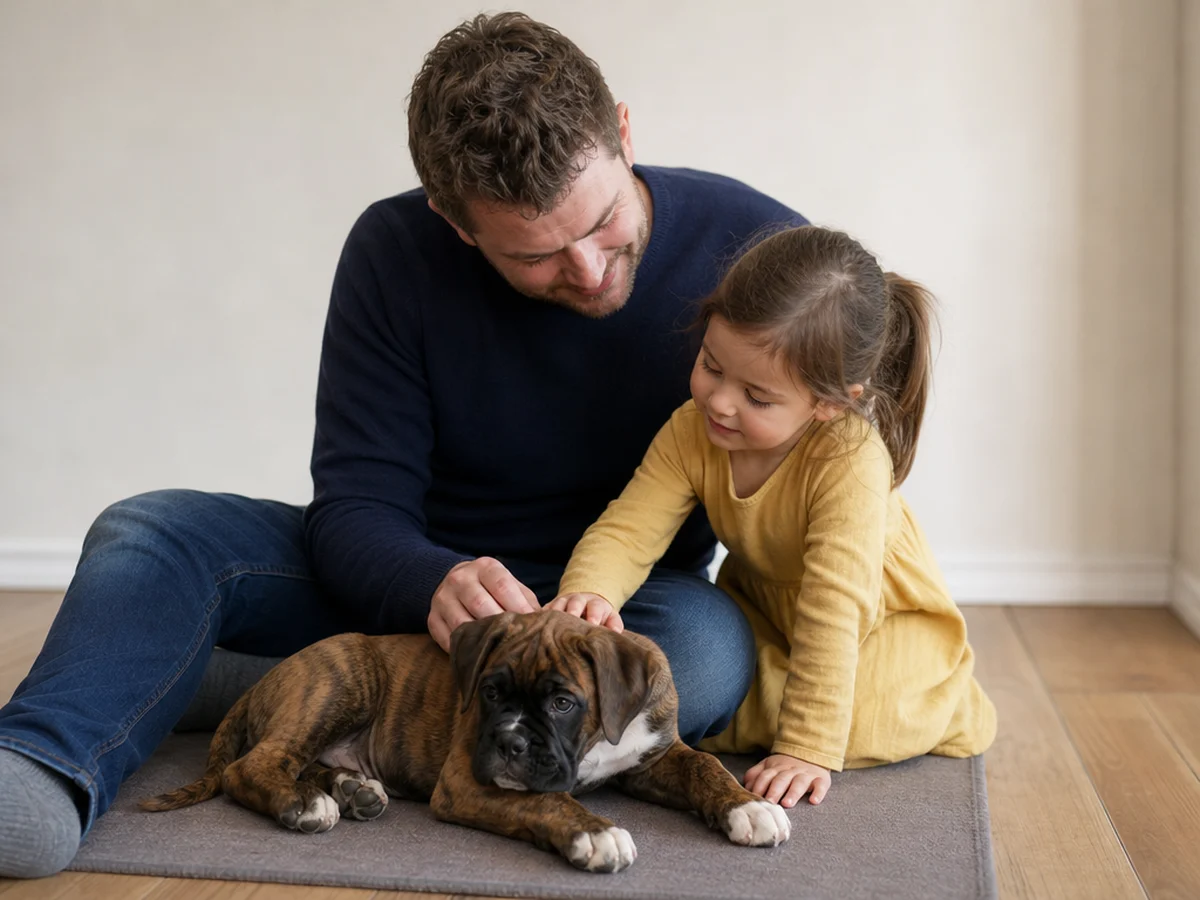
A stronger puppy changes more than your walks, because the people your Boxer meets feel that strength too. A well-meaning, bouncy Boxer can overwhelm a small child or a very frail adult without meaning anything by it, and that person, not the sturdy friend at the door, is the one to plan around.
Set the leash, the distance and the four-paws rule for the most fragile guest you expect, and every sturdier visitor gets the same easy puppy without extra effort from you. Because a growing Boxer keeps changing what they need, our e-book lands in your inbox when you sign up on this site, costs you nothing, and covers each stage of your puppy's growth and the skills that go with it, thorough where it counts and straightforward throughout.
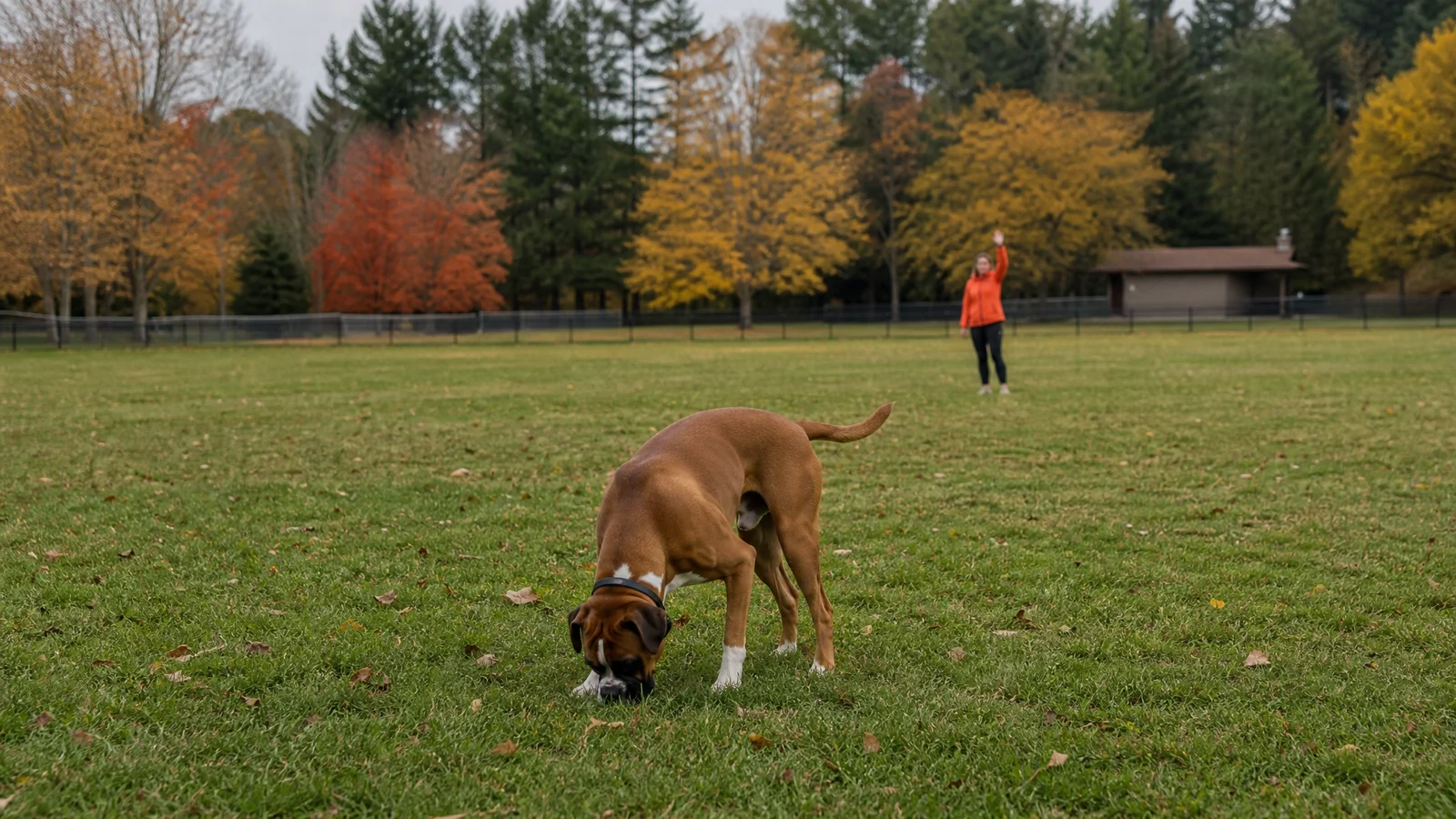 Puppy trainingBoxer at 6 to 12 Months: Adolescence Begins
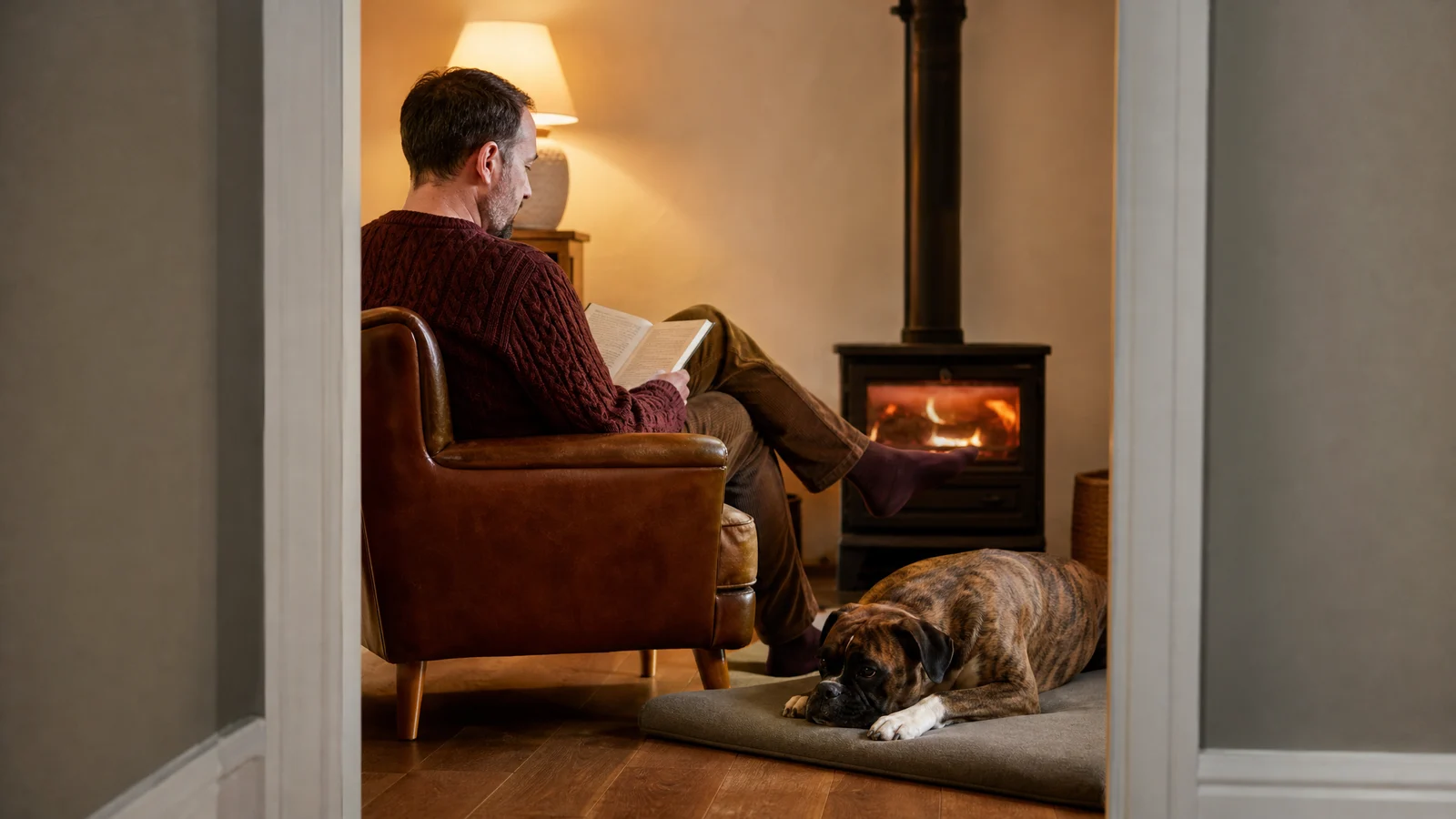 BehaviorBoxer at 1 Year and Up: When Do They Calm Down?
 BehaviorTraining an Older or Adopted Boxer
