 Boxer
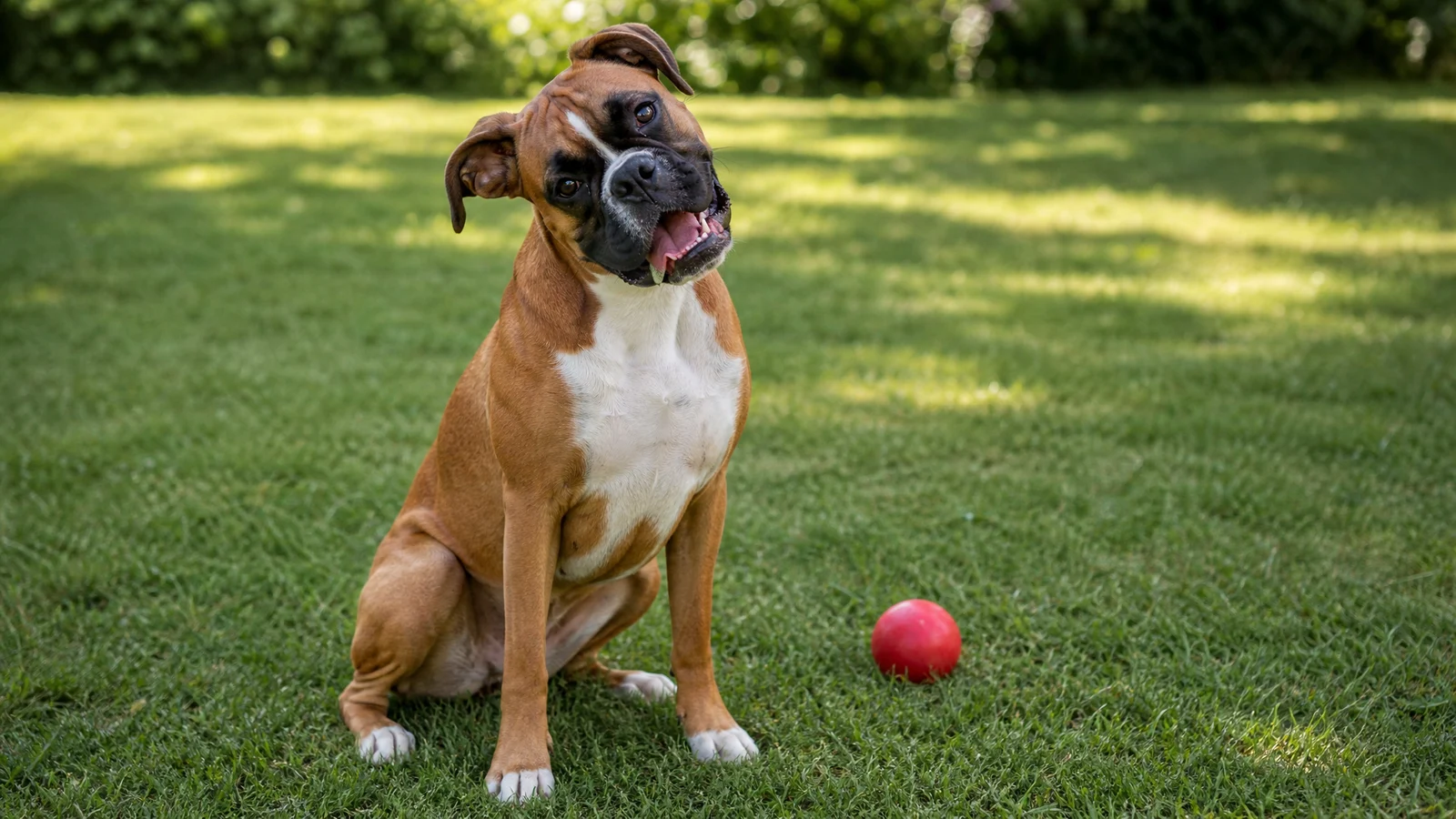
Hand a Boxer a new puzzle and you will often see the lightbulb moment within minutes. Ask the same dog for the same sit again and again, though, and you may get a sniff of the carpet, a wandering gaze or a sudden launch at your sleeve.
So which is it, smart or stubborn? Both labels fit, because they describe different parts of the job.
Boxers learn quickly, and the real work is making the answer dependable when they are bored, excited or watching the door. This page sorts out where each reputation comes from and how to train around both, including a ladder for building answers that hold up when your Boxer is wound up. None of it needs special gear, only treats and a plan.
A Boxer's Quick Mind and Short Patience
The bright half of the reputation is earned. Boxers are highly intelligent and excellent problem solvers, so a lesson with a clear point and a tasty reward often clicks faster than new owners expect. The short-patience half is earned too, and a few things sit behind it:
- The same quick mind that grasps a new cue grows restless when practice turns into a drill, and a Boxer who has decided the point has been made will wander off or invent a better game.
- Boxers also have a mind of their own, so they tend to weigh your request against everything else going on.
- Boxers are playful, affectionate dogs, and a quick game or a happy fuss from their person can be worth as much as food. The price also moves with the mood: a Boxer who is full of beans may turn down a dry treat that would have been welcome after a nap.
- Boxers are also a late-maturing breed, so the playful, easily distracted dog you meet at one year old is still growing up.
That restlessness sits behind many stubborn stories. That is why reward-based training suits the breed. A cue that is easy, well timed and well paid wins more often than one that is none of those, and short, varied sessions keep it that way, which is the heart of our complete Boxer guide. Try a few kinds of pay and see which one your dog works hardest for.
Boredom and Bounce Behind the Stubborn Label
Boredom explains the Boxer who drifts away mid-lesson, but there is a second kind of stubborn, and it comes from bounce. Boxers are energetic, playful dogs, and as young dogs they are constantly in need of reminders to stay down. With that much energy on board, the leap often happens before any thinking does, so a Boxer who bounces past a sit at the front door has not decided anything about you.
The Dumb Friends League's behavior team makes a similar point about dogs in general: certain breeds are not more defiant than others, though they often have different needs, skills, intelligence and activity levels. For a Boxer, those needs include variety, an outlet for all that energy and rewards that keep a quick mind interested.
As Boxer people, we find the bounce part of the charm, so the goal is never to flatten it. The goal is to give it somewhere to go before you ask for a cue, to pay for four paws on the floor and to keep lessons interesting enough that a bright dog stays with you. Because Boxers mature late, expect the bounce to linger past puppyhood, and see our Boxer puppy training timeline for what each stage tends to bring.
Training Turns a Known Cue Into a Dependable One
With the labels sorted, the useful question becomes what has to be true before a cue counts as dependable. Understanding comes first, and for a bright breed it comes fast: your Boxer sits in the quiet kitchen, watches the treat hand and makes you feel like a genius. That is learning, and it is the easy part.
Dependable is a separate job. It means the same sit still happens when the doorbell rings, when another dog trots past or when your Boxer has just finished a game and is vibrating.
Each of those changes how the cue feels from the dog's side, so a quick learner can understand a cue completely and still be too wound up to deliver it. That gap says something about excitement and nothing about intelligence, and it is also why a cue that is dependable at home is only dependable at home until you have practiced it somewhere else.
When an answer falls apart, make the situation easier and pay generously instead of repeating the cue until something happens. Easier might mean more distance from the distraction, a calmer moment or a cue your Boxer knows especially well.
Once the answer returns, ask again in the harder spot, because answering in a difficult moment deserves a better payday than answering in an easy one. The core cues in our Boxer obedience basics all get stronger this way.
Raising the Excitement Level in Boxer Training
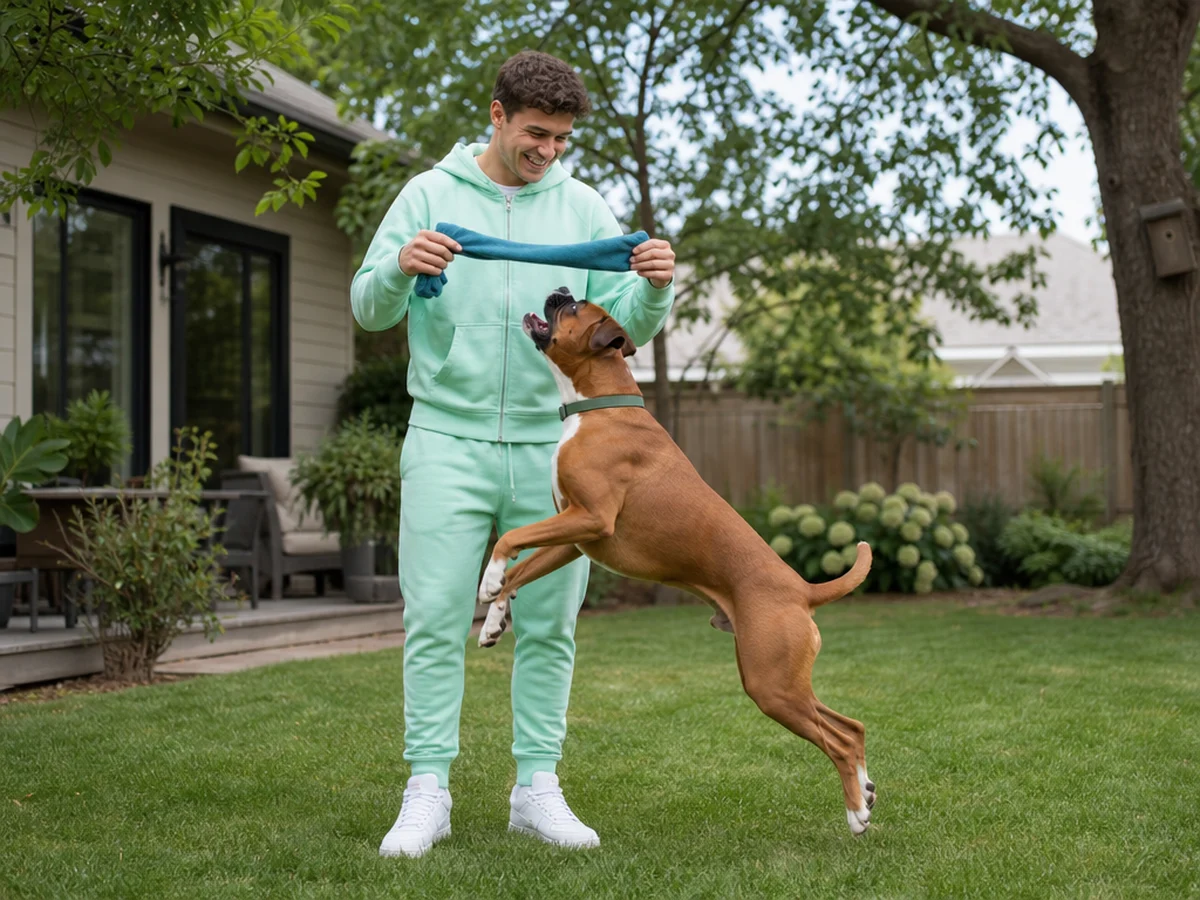
Harder needs a definition, and for a Boxer the most useful one is how wound up the dog is, not only where you are standing. The same room feels completely different to a Boxer who has just woken from a nap and a Boxer who has just chased a toy.
The usual order for adding difficulty is laid out in AAHA's training tips: start in a quiet, distraction-free area, add small distractions such as toys, other pets and people once the dog has mastered the basics, then move to places like a yard or driveway and finally to public places. For a Boxer we add a second dial, because the same driveway asks something very different of a calm dog and an excited one.
A Five-Rung Ladder for Wound-Up Moments
Use the ladder below with one easy cue your Boxer already knows, such as sit, and pay at every rung. Each step changes only one thing, so you can tell what made the answer slip.
- Quiet and settled: ask in a calm room right after your Boxer has settled, and pay at once. This rung confirms the answer is quick before anything else is added.
- Something to look at: put a toy on the floor or have a person sit nearby, then ask again. The cue is unchanged, but now it has to compete with something interesting.
- A little excitement: ask right after a short burst of play, when the breathing is quick and the wiggles have started. Keep the cue easy and pay generously, because this is the first rung where your dog's body works against the answer.
- Outdoors: repeat the same cue in the yard or driveway, with the leash on. Movement and smells add distraction, so expect a slower answer than the living room gave you and pay for the effort.
- The arrival: ask while a helper walks in the front door or up the path, with the leash on and a treat ready. This is often the hardest rung, because it pairs something a friendly, playful breed finds thrilling, a person arriving, with a cue that asks for stillness.
Stay on a rung until your Boxer answers quickly and cleanly several times in a row, then move up one. If the answer falls apart, drop back a rung, pay a richer reward and try again later. Our trainers begin every session on the first rung, even when the dog has reached the fifth, because an easy first answer sets up a good session.
Brain Work Counts as Training Too
A ladder builds dependable answers, but it only covers the minutes you spend asking for cues. The rest of a Boxer's day matters too, because a bright dog without enough to think about tends to invent entertainment, and the entertainment is rarely what you would choose. Regular training is itself mental exercise, and the more of it a Boxer gets, the less likely they are to turn bored and destructive.
The sessions that satisfy a quick mind most are the ones with a little puzzle in them. Instead of luring the same move every time, let your Boxer try options and work out which one pays, or ask for a trick built from small steps.
Keep puzzle sessions short and stop while your Boxer is still keen, because a dog who is still interested comes back eager, while a dog drilled until bored carries that boredom into the next session.
Hiding a few treats around a room and letting your Boxer search for them adds a nose-and-brain game that needs no equipment. Boxers also do well at scent work and a range of other dog sports, so a bright dog who loves a challenge has plenty of directions to grow in, as our page on Boxer sports and jobs shows.
When Training Stalls and Outside Help Makes Sense
Even with a good ladder and plenty to think about, some cues stall, and what you do next depends on how the stall began. If a cue your Boxer always answered suddenly falls apart, call your veterinarian first, because a vet can rule out a physical reason before you decide the cause is attitude.
Regular veterinary checkups belong in the picture for the same reason, since they show your vet how your dog normally moves and behaves. When a healthy Boxer simply stops progressing, change the plan before you change your opinion of the dog. Try a shorter session, a better reward, an easier rung or a bit more exercise beforehand, and watch whether the answer comes back.
Bringing in a Trainer or a Class
A class or a trainer can also supply fresh eyes. Classes can help dogs of any age and skill level, and advice on getting the most from training is to change course when something isn't working and reach out to trainers for support. Our page on puppy classes and socialization covers what a good class offers a young Boxer.
Look for a reward-based trainer who enjoys a bouncy, quick dog, and ask whether you can sit in on a class first. These are good moments to bring in help:
- Your Boxer answers only when a treat is visible, and the cue vanishes the moment your hands are empty.
- Practice has stayed on the same rung of the ladder through many sessions, even after easier setups and better rewards.
- Excitement turns into behavior that worries you or the people around your Boxer.
Asking sooner costs little, and a trainer can often spot a pattern that daily practice makes easy to miss, which beats repeating a plan that is not working for another month.
What Visitors Decide About Your Boxer
Help or no help, your Boxer's training eventually gets graded by people who have never seen a session. They settle the smart-or-stubborn question quickly, and they settle it at the moment of greatest excitement: the doorway, the first hello, the walk past a neighbor. A Boxer who bounces once and then folds into a sit looks well trained to the friend at the door, while a Boxer who launches past every cue looks stubborn, even when both dogs know the same cues.
That judgment is blunt, but it measures something you can train, which is whether the answer survives excitement. Every rung on the ladder is a way to change the verdict one situation at a time, and a quick Boxer mind is on your side while you do it. The word you end up using for your own dog is likely to be a kinder one than the word you started with.
Cues, tricks and manners all travel the same road from understood to dependable. Our Boxer e-book walks that road for everything a Boxer has to learn, in plain but thorough terms, costs you nothing, and is sent to anyone who adds an email address here.
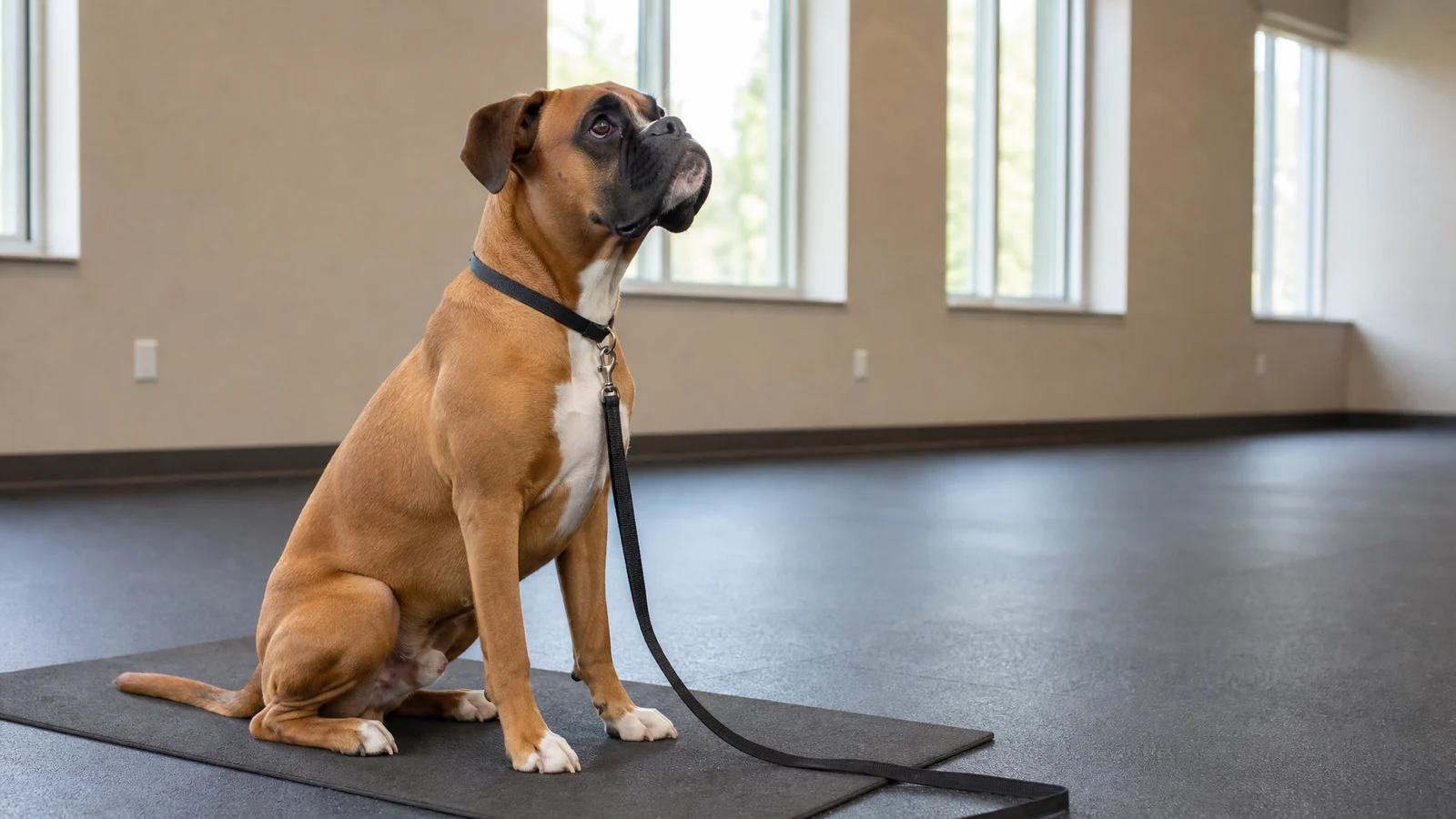 Training basicsHow to Choose a Boxer Trainer
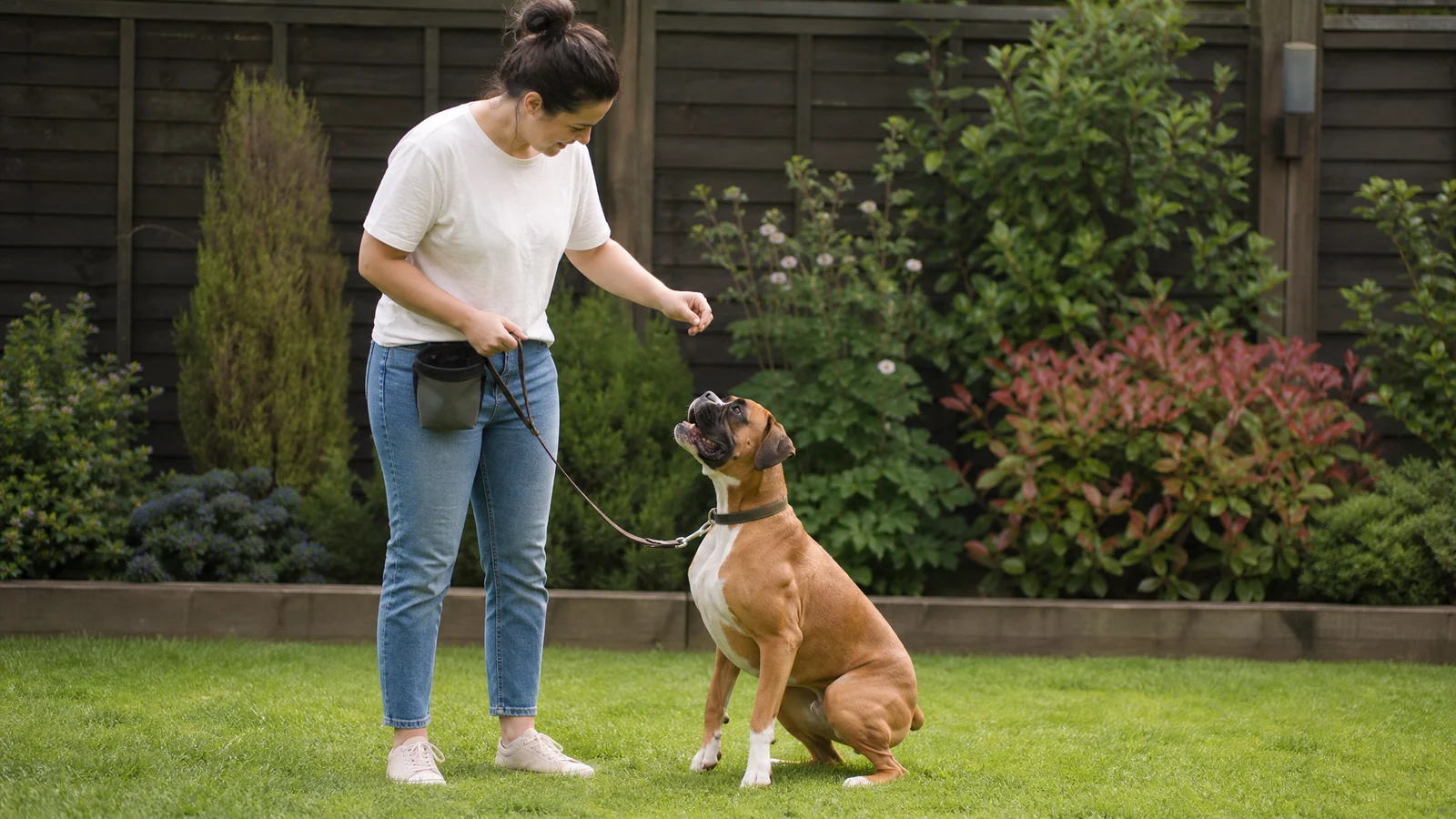 Training basicsAre Boxers Easy to Train? Temperament and Trainability FAQ
 Exercise and jobsBoxer Sports and Jobs: Putting the Breed's Instincts to Work
